Understanding Recession Meaning and Its Impacts on the Economy
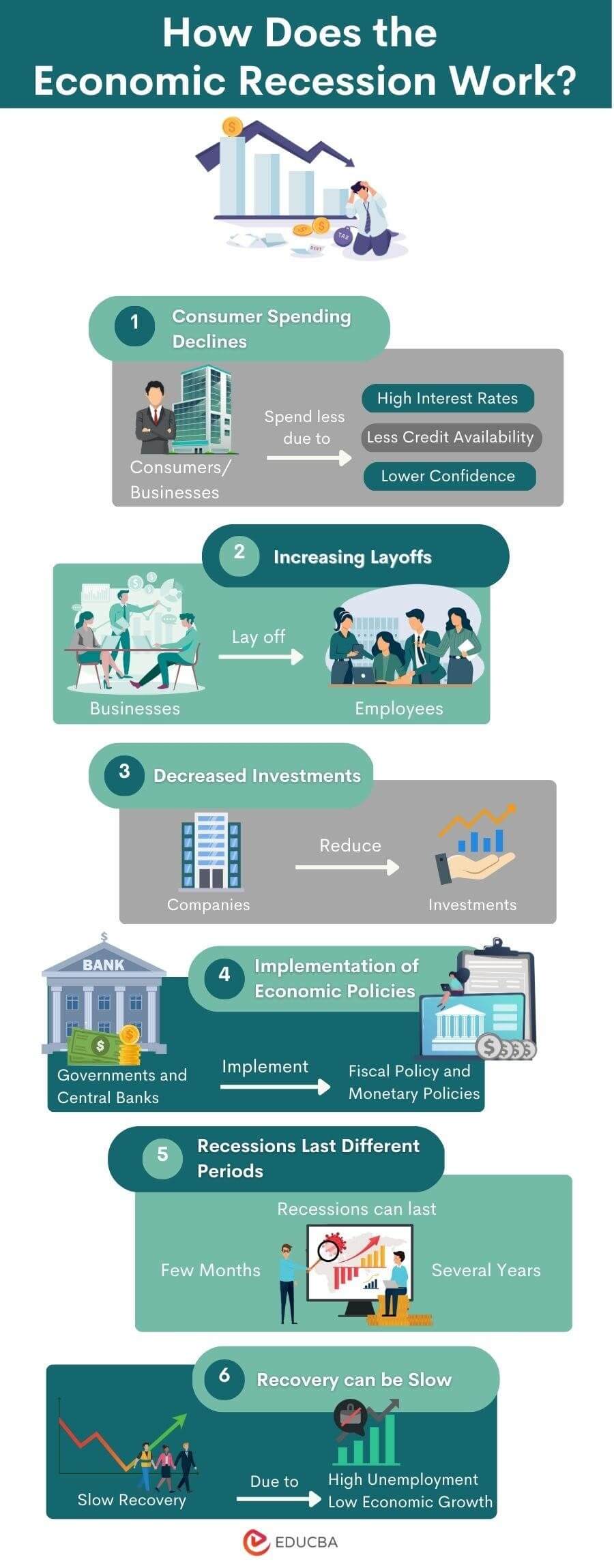
As the global economy continues to evolve, the term "recession" has become a household name, sparking concern and debate among individuals, businesses, and governments. A recession is a period of economic decline, typically defined as a decline in gross domestic product (GDP) for two or more consecutive quarters. This decline can have far-reaching consequences, affecting everything from employment rates and consumer spending to business investments and government policies. With its potential to impact various aspects of our lives, it's essential to grasp the meaning of recession and its effects on the economy.
What Triggers a Recession?
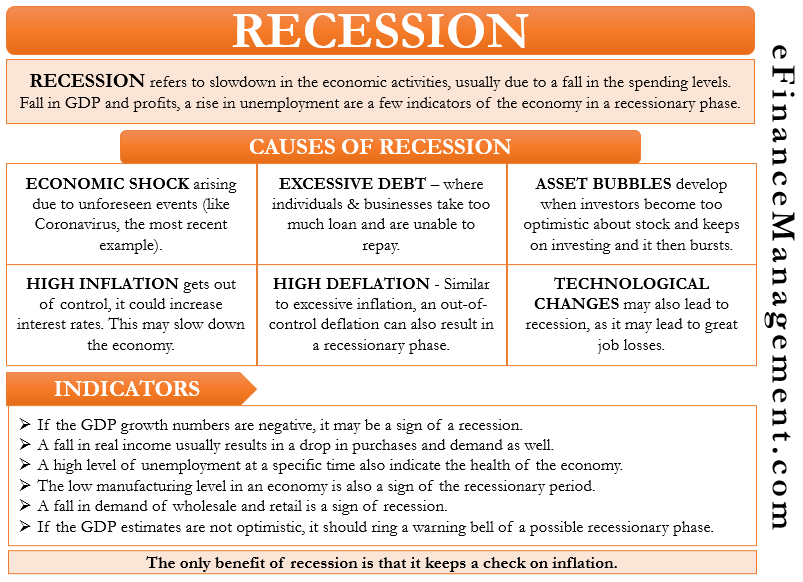
A combination of factors can contribute to a recession, including inflation, high interest rates, and a decline in consumer spending. When consumers have less disposable income, they tend to cut back on non-essential purchases, leading to reduced demand for goods and services. This decrease in demand can force businesses to reduce production, resulting in layoffs and higher unemployment rates. Other factors, such as global events, trade policies, and unexpected disruptions to the supply chain, can also play a role in triggering a recession. Understanding these factors is crucial in navigating the complexities of recession meaning and its implications.
How Does a Recession Affect Individuals and Businesses?
The effects of a recession can be felt across various sectors, from individuals and small businesses to large corporations and governments. For individuals, a recession may mean reduced income, job insecurity, and decreased purchasing power. Businesses, on the other hand, may experience reduced sales, cash flow problems, and increased competition. In some cases, businesses may be forced to close or significantly downsize, leading to further job losses and economic instability. It's essential for individuals and businesses to be aware of the potential risks and take proactive measures to mitigate them, such as diversifying investments, reducing debt, and developing contingency plans.
What Are the Indicators of a Recession?
Identifying the indicators of a recession can help individuals and businesses prepare for potential economic downturns. Some common indicators include a decline in GDP, increased unemployment rates, and a decrease in consumer spending. Other indicators, such as a decline in housing markets, reduced business investments, and a decrease in manufacturing activity, can also signal a recession. By monitoring these indicators, individuals and businesses can make informed decisions and take proactive measures to minimize the impacts of a recession. 
What Can Be Done to Mitigate the Effects of a Recession?
While a recession can have significant impacts on the economy, there are steps that individuals, businesses, and governments can take to mitigate its effects. For individuals, this may include reducing debt, building emergency funds, and diversifying investments. Businesses can take measures to reduce costs, increase efficiency, and develop contingency plans. Governments can implement policies to stimulate economic growth, such as reducing interest rates, increasing government spending, and providing support to affected industries. By working together and taking proactive measures, it's possible to reduce the impacts of a recession and promote economic stability.
- Develop a budget and reduce debt to increase financial stability
- Build an emergency fund to cover essential expenses
- Diversify investments to minimize risk
- Reduce costs and increase efficiency to maintain business operations
- Develop contingency plans to prepare for potential economic downturns
Conclusion
In conclusion, understanding the meaning of recession and its impacts on the economy is essential for individuals, businesses, and governments. By being aware of the indicators of a recession and taking proactive measures to mitigate its effects, it's possible to reduce the risks and promote economic stability. As the global economy continues to evolve, it's crucial to stay informed and adapt to changing circumstances to navigate the complexities of recession meaning and its implications.
Global Recession- Definition, Causes & Examples | EDUCBA
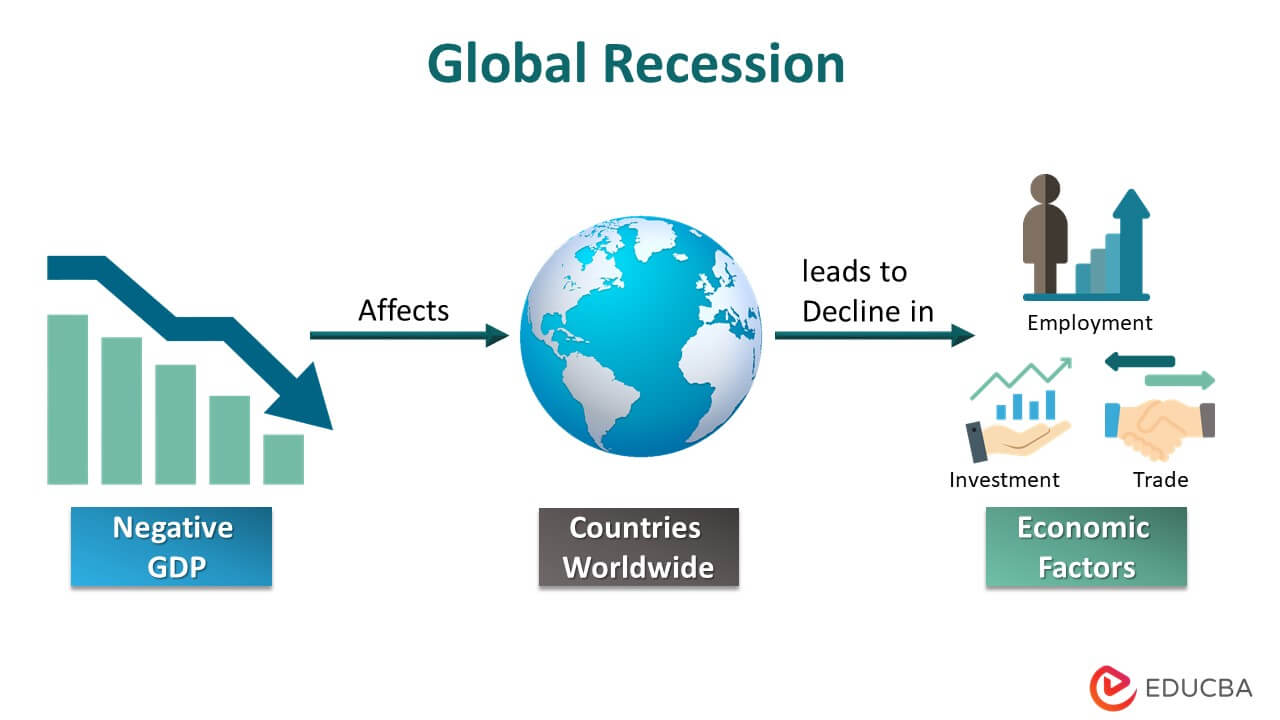
Global Recession- Definition, Causes & Examples | EDUCBA
Recession Graph Negative Meaning Economic Depression 3d Rendering Stock
Recession Graph Negative Meaning Economic Depression 3d Rendering Stock ...
Economic Recession | Meaning, Tracking, Causes & Effects
Economic Recession | Meaning, Tracking, Causes & Effects